
One city, two clubs, a rivalry that goes beyond sport. In Seville, the Andalusian capital crossed by the Guadalquivir, the derby between Sevilla FC and Real Betis is unlike any other. It is not the geopolitical scale of the Real-Barça clásico, nor the pure class divide of the Madrid derby, but a unique blend of family passion, neighborhood opposition, and Andalusian humor that makes every meeting indispensable.
More than 145 derbies have been played in official competitions since 1928, with incidents that became legendary, streaks of wins by one side or the other, but most of all a visceral attachment of Sevillans to their club, whether sevillista or bético. This article retraces the history and soul of this derby, from the first Copa del Rey clash in 1928 to the modern-day confrontations.
Two clubs, one city: 1890 and 1907
The story starts with the founding of Sevilla Foot-ball Club on January 25, 1890. According to its own archives, Sevilla FC is the oldest Spanish club dedicated exclusively to football. Its colors are red and white, in vertical stripes. It quickly settled in the affluent district of Nervión, east of Seville’s historic center.
Real Betis Balompié was born later, by a merger in 1914 between Sevilla Balompié (1907) and Betis Football Club (1909). The club is based in Heliópolis, south of the city, on the left bank of the Guadalquivir. Green and white colors, unofficial motto “Manque pierda”: this newcomer immediately differed from Sevilla FC.
Having both clubs in the same city immediately created a rivalry dynamic, fueled by social differences between Nervión and Heliópolis. Where Sevilla FC represents the wealthier classes of the city, Betis became the popular club, supported by workers and southern neighborhoods. This class contrast still structures how the derby is perceived today.
1928: the first official derby
The first official Seville derby was played on February 19, 1928, in the Copa del Rey. A 3-3 draw, already spectacular, that set the foundations of a long-lasting rivalry. Before that date, the two clubs had already met in friendly matches, but the official status changed everything: there is a winner and a loser, one stand satisfied and the other frustrated.
The following year, in 1929, La Liga was born, the first professional Spanish league. The two Seville clubs faced each other regularly whenever both played in first division. The derby became an essential part of the Andalusian calendar, with some schools closed on certain afternoons, families divided, and friends who do not speak for a few days.
In the decades that followed, the derby had ups and downs depending on the clubs’ sporting fortunes. When one of the two drops to second division, the meeting is played at a lower level, but with the same intensity. No Seville derby is ever “secondary” for Sevillians.
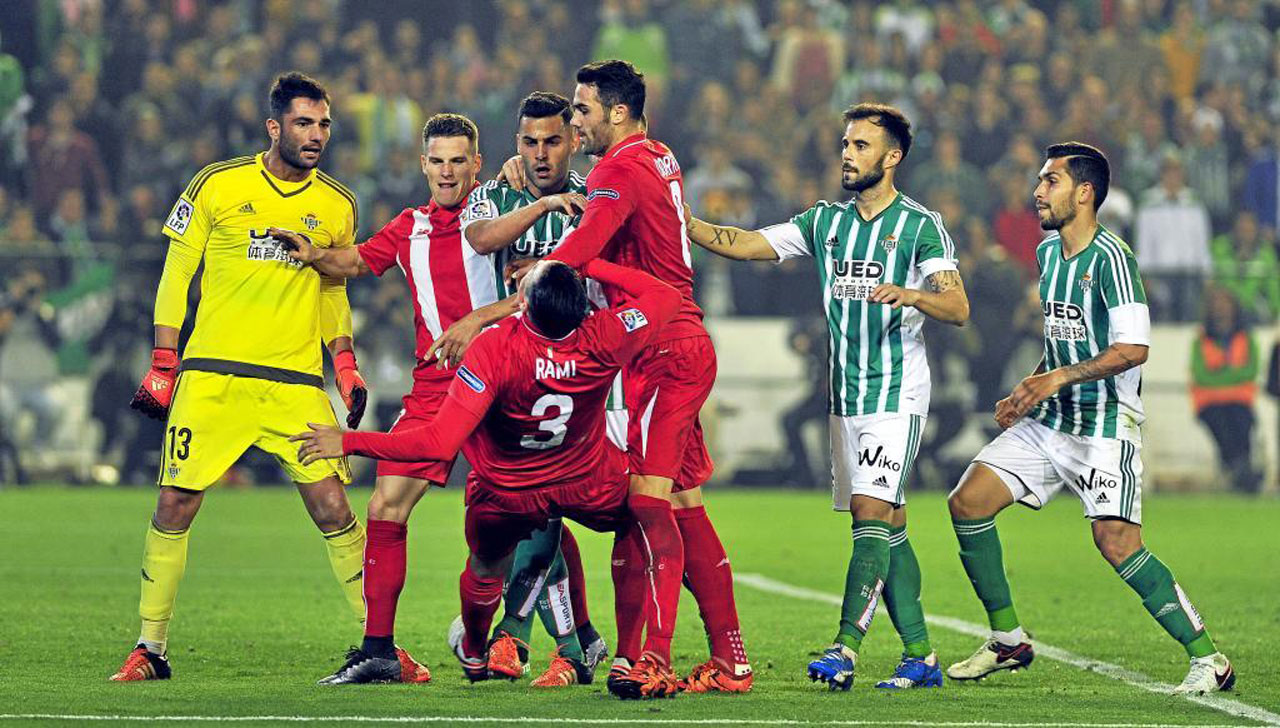
Historical record: 145 matches in numbers
To date, about 145 official derbies have been played between the two clubs (La Liga, Copa del Rey, Supercopa, and rare European meetings). The overall balance is clearly in favor of Sevilla FC: about 66 Sevillista wins, 37 draws, and 42 Betis wins. In goals, Sevilla scored around 218 times, Betis around 169.
This historical dominance of Sevilla is largely explained by differences in silverware. Betis has never really been a regular top-side in La Liga (one national title in 1935), while Sevilla has seen several periods of Andalusian dominance, especially in the 1940s and in 2000-2010 with the capture of seven Europa League titles.
But those statistics do not tell the whole story. Betis has often beaten Sevilla at the most unexpected moments, creating landmarks in Betis collective memory that nothing can erase. The biggest Betis win on Sevilla soil remains a 3-0 result at Pizjuán in the Copa del Rey 1984-1985. The biggest Sevilla win away from home is a 5-0 from the 1942-1943 season.
Nervión vs Heliópolis: social geography
Seville’s geography is central to understanding the derby. Sevilla FC is based in Nervión, a district east of the historic center that became one of the city’s most prosperous areas during the 20th century. The commercial fabric there is dense, with middle and upper classes dominant, and the club fits this environment.
Real Betis plays in Heliópolis, a district in the south of Seville built in the 1920s with garden-city planning in mind. The social mix there is wider, with a popular and working-class dimension that matches the Betis identity perfectly. The motto “manque pierda” (even if he must lose) captures this class loyalty that goes beyond sporting results.
This social dimension of the derby is still tangible today, even if urban changes have softened the gap. Both clubs claim neighborhood roots and maintain their respective identities. The similarity with the Madrid derby is striking: Real-Sevilla for the “bourgeois” on one side, Atlético-Betis for the “workers” on the other. Our article on the Madrid derby explains this analogy.
Sánchez Pizjuán vs Benito Villamarín
The two Seville stadiums visually embody this contrast. Estadio Ramón Sánchez Pizjuán, Sevilla FC’s home, was opened in 1958. Its current capacity is 42,714 seats. Built at the heart of Nervión, it is known for its fiery atmosphere and impressive acoustics, making it one of the most intimidating stadiums in Europe for visitors.
Estadio Benito Villamarín, Betis’s home, was opened in 1929. Its current capacity is around 60,720 seats, after several expansions. Larger than Pizjuán, it also has an intense atmosphere, especially during major European matches or the derby. The green-and-white wave that fills the stands on derby nights remains one of the most stunning spectacles in La Liga.
When Betis hosts, it is the Heliópolis arena that erupts. When Sevilla hosts, it is Pizjuán that takes over. In both cases, the opposing stand (away supporters) is usually reduced and tightly managed, and the atmosphere is saturated with chants, flares, and sometimes insults. A sensory experience every Spanish football fan should live through at least once.
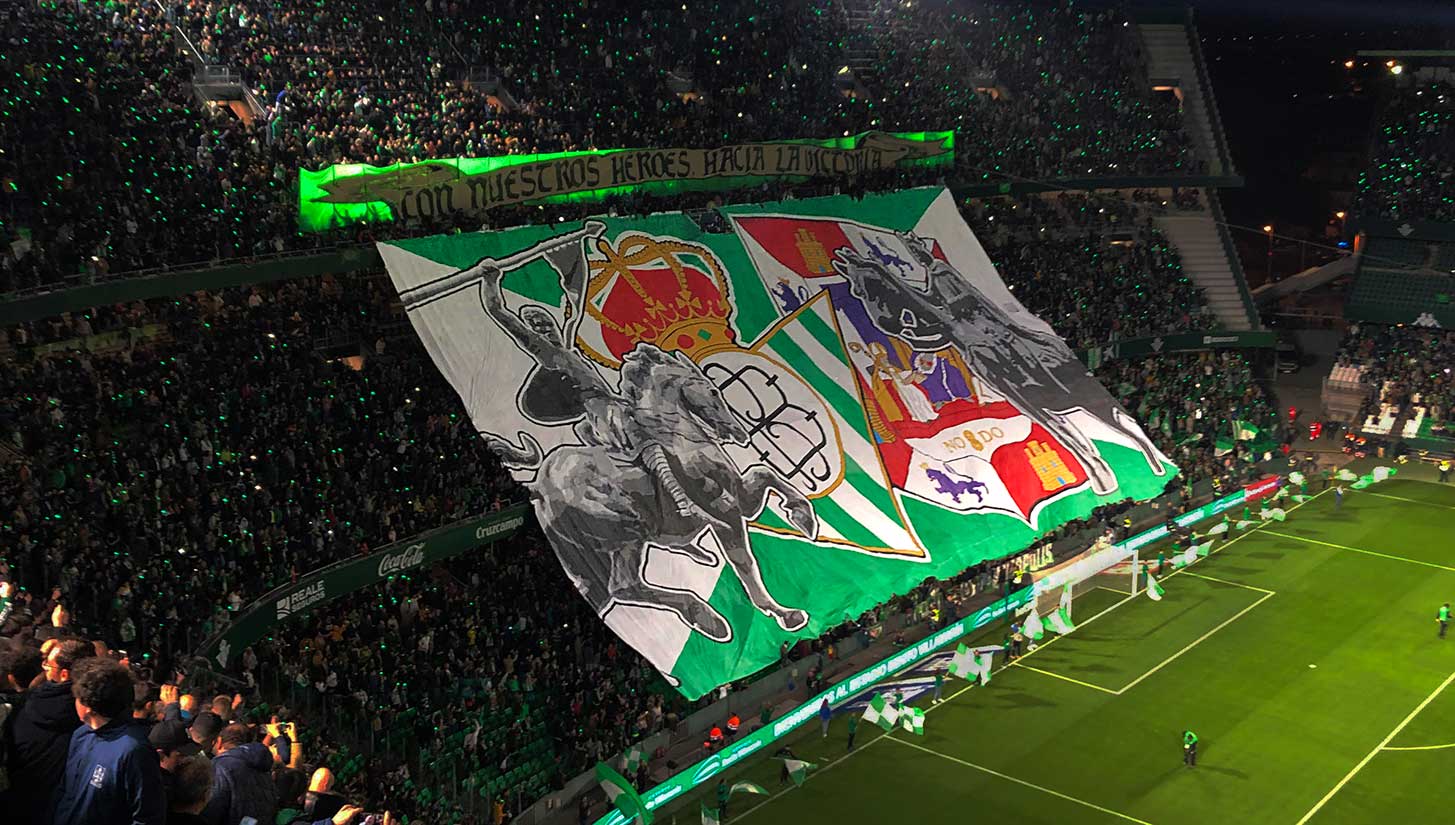
2007: the Juande Ramos incident
The derby also has its dark moments. In February 2007, during a Sevilla-Betis match at Pizjuán as part of the Copa del Rey, Sevilla coach Juande Ramos was hit on the head by a plastic bottle thrown from the stands. The incident was serious enough for the referee to stop the game, which was replayed behind closed doors a few days later.
The incident made a deep impression and reminded everyone that derby passion can sometimes spill into violence. Several sanctions were imposed (fines, partial stand closures, stadium bans), and Seville authorities have since strengthened derby supervision. Serious incidents are thankfully rare, but tension remains palpable at every meeting.
More broadly, the derby is one of La Liga’s most closely watched matches from a security perspective. Massive police deployments, stronger bag checks, strict separation of supporters: everything is put in place to prevent incidents. This is a reality that reflects the emotional intensity of the fixture.
A few memorable derbies
Several derbies have entered the collective memory of both camps. The memorable 4-3 Betis win at Pizjuán in 2018, secured in the final minutes after coming back from 2-0. The 6-0 aggregate in the Copa del Rey semifinal of 2015-2016, won by Sevilla. The 4-0 Sevilla win in November 2019 that pushed the club toward the Europa League title a few months later.
On the Betis side, the rare big wins at Pizjuán remain founding moments. The 2-3 win in March 2018 in the race for European places, and the Copa del Rey triumphs of 1985 (3-0). Betis knows that every win over their big rival is worth as much as a trophy, and the atmosphere at Villamarín in the days that follow proves it.
The derby has also known moments of brotherhood, especially during dramatic events (bereavements, attacks), when both clubs could temporarily come together to express Andalusian solidarity. These moments are not the rule, but they remind everyone that behind the rivalry there is a shared belonging to Seville.
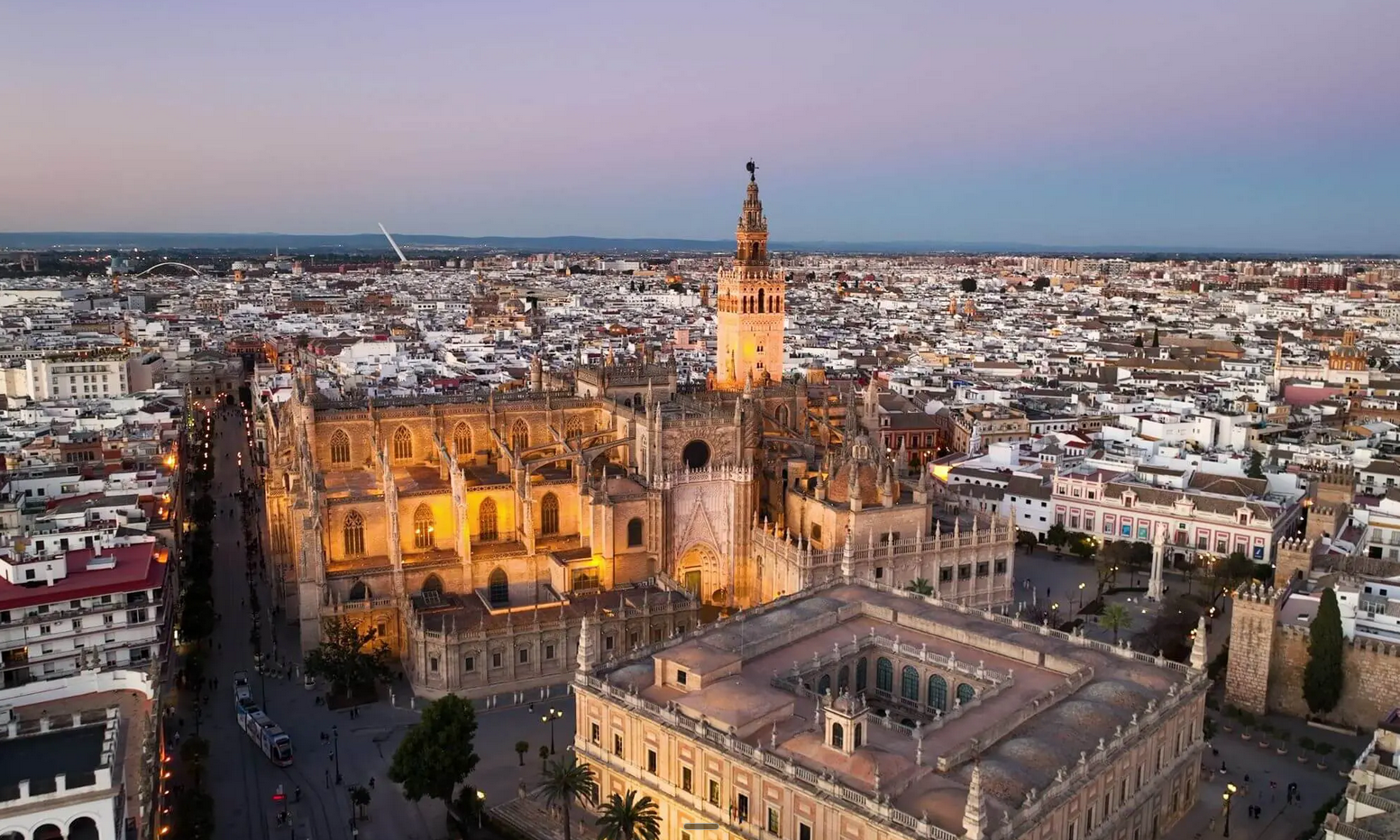
The Andalusian soul of the derby
The Seville derby does not have the geopolitical dimension of the Real-Barça clásico, nor the pure class struggle of Real-Atlético. It has a unique Andalusian character that blends humor, a festive spirit, family bonds, and local pride. In Seville, you are born a sevillista or a bético, and this sense of belonging is passed to your children as cultural inheritance.
Supporters sing in Andalusian, joke about the other side with remarkable linguistic creativity, and organize parallel festivities before and after every match. Bars in Nervión go head-to-head with bars in Heliópolis. Souvenir shops showcase both sets of colors on almost everything you can wear or give.
This cultural dimension makes the Seville derby one of the most authentic in world football. To go deeper into both protagonists, we have written dedicated pieces on Real Betis history. And to compare with another Spanish city rivalry, our article on the Madrid derby details Real and Atlético as opponents.
What to remember
- Sevilla FC was founded on January 25, 1890, making it Spain’s oldest club dedicated exclusively to football.
- Real Betis Balompié was born in 1914 through a merger between Sevilla Balompié (1907) and Betis Football Club (1909).
- The first official derby was played on February 19, 1928, in the Copa del Rey, ending 3-3.
- Historical record: about 145 official derbies played, around 66 Sevillista wins, 37 draws, and 42 Betis wins (Sevilla clearly ahead).
- Sevilla FC is based in the affluent Nervión district, while Real Betis is in the popular Heliópolis district (south).
- Estadio Ramón Sánchez Pizjuán (Sevilla, 42,714 seats) versus Estadio Benito Villamarín (Betis, around 60,720 seats).
- The February 2007 incident: Juande Ramos, Sevilla coach, hit in the head by a bottle thrown from the stands during a derby.
Learn more
The history of the Seville derby is inseparable from that of Andalusia. To dig deeper, we recommend our articles on the full history of Real Betis, on the Madrid Real-Atlético derby with which it shares the same neighborhood-rivalry dimension, and on the best Liga jerseys where both Seville clubs feature prominently.
Frequently asked questions
When did the first Seville derby take place?
The first official derby between Sevilla FC and Real Betis was played on February 19, 1928, in the Copa del Rey. The game ended in a 3-3 draw, already dramatic. The two clubs had met before in friendly matches.
What is the Seville derby record?
Across about 145 official derbies played (all competitions combined), Sevilla FC is clearly ahead with about 66 wins, against 42 for Real Betis and 37 draws. Sevilla scored about 218 goals versus 169 for Betis. This historical edge reflects the differences in honors between the two clubs.
Why is social class part of the Seville derby?
Seville’s urban geography historically reflects a class divide. Sevilla FC is based in Nervión, an affluent district east of the city, while Real Betis plays in Heliópolis, a popular area in the south. This social dimension, similar to the Madrid derby (Real vs Atlético), still shapes today’s perception of the Andalusian derby.
What happened to Juande Ramos in 2007?
In February 2007, during a Sevilla-Betis Copa del Rey derby at Sánchez Pizjuán, Sevilla coach Juande Ramos was hit in the head by a plastic bottle thrown from the stands. The incident, serious enough for the referee to stop the match, made a strong impression and led to tighter security controls around derbies.
Where are Seville derbies played?
Derbies are played alternately at Estadio Ramón Sánchez Pizjuán (Sevilla FC, 42,714 seats, Nervión district) and Estadio Benito Villamarín (Real Betis, about 60,720 seats, Heliópolis district). The two stadiums are about 4 kilometers apart, symbolically separated by the Guadalquivir.
Show your Seville colors
Whether you are a sevillista or a bético, both full collections are in store: home red-and-white jerseys of Sevilla FC, green-and-white jerseys of Real Betis, player, fan, third, and retro versions.