
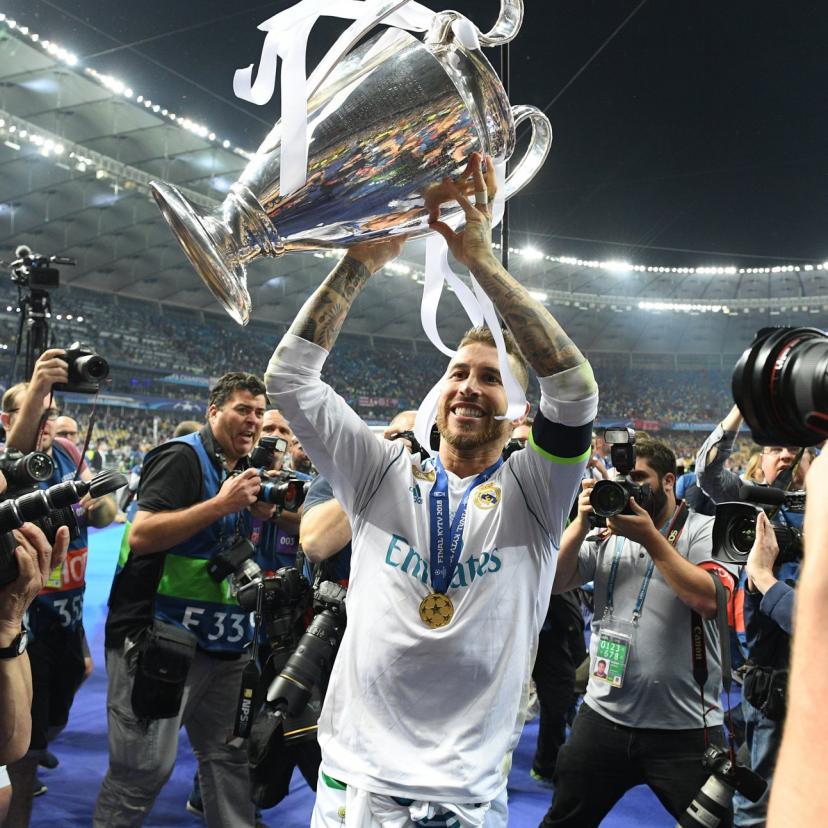
Le 26 mai 2018, à Kiev, le Real Madrid soulève sa troisième Ligue des Champions consécutive après une victoire 3-1 contre Liverpool. Aucune équipe n’avait réalisé cet exploit depuis le passage à la formule moderne de la compétition en 1992-1993. Cet article retrace comment le Real Madrid a remporté trois Ligues des Champions de suite entre 2016 et 2018, sous Zinédine Zidane, avec un noyau dur composé de Cristiano Ronaldo, Sergio Ramos, Luka Modrić, Toni Kroos et Marcelo.
Trois finales, trois adversaires différents, trois scénarios distincts. Milan 2016 contre l’Atlético Madrid, Cardiff 2017 contre la Juventus, Kiev 2018 contre Liverpool. Chacune de ces finales raconte une histoire particulière, et l’ensemble forme l’un des plus grands cycles de domination européenne du football moderne.
Le contexte avant l’arrivée de Zidane
Au début de la saison 2015-2016, le Real Madrid traverse une période de doutes. Carlo Ancelotti a été démis de ses fonctions à l’été 2015 malgré la conquête de la Décima en 2014, et son successeur Rafael Benítez peine à convaincre. Le jeu produit est jugé timoré, les prestations en Liga inégales, et la relation entre Florentino Pérez, le coach et le vestiaire se dégrade rapidement. Le 4 janvier 2016, après six mois compliqués, Benítez est remercié.
Pour le remplacer, Florentino Pérez fait un choix audacieux : Zinédine Zidane, alors entraîneur du Real Madrid Castilla, l’équipe réserve. Le Français n’a aucune expérience d’une équipe première professionnelle et accède directement au banc d’un des clubs les plus exigeants du monde. Le pari est risqué, mais il va se révéler historique.
Pour comprendre comment cette structure du club a permis l’éclosion d’entraîneurs depuis l’intérieur, notre dossier sur La Fábrica détaille le rôle des équipes de jeunes et du Castilla dans la formation des cadres techniques du club.
Milan 2016 : la finale madrilène contre l’Atlético
28 mai 2016, stade Giuseppe Meazza de Milan. Real Madrid contre Atlético Madrid, le second derby madrilène en finale de la Ligue des Champions, après celui de Lisbonne en 2014. Les Colchoneros de Diego Simeone arrivent avec la rage de la revanche, après l’occasion gâchée deux ans plus tôt.
Sergio Ramos ouvre le score à la 15e minute, sur une déviation à hauteur d’un coup franc joué par Toni Kroos. L’Atlético manque un penalty avant la mi-temps (Antoine Griezmann sur la barre), mais finit par égaliser par Yannick Carrasco à la 79e minute. Les prolongations ne donnent rien et la séance des tirs au but s’engage. Juanfran tire sur le poteau pour les Colchoneros, et Cristiano Ronaldo transforme le tir au but décisif. Le Real soulève sa onzième Coupe d’Europe (5-3 aux tirs au but, 1-1 après prolongation).
C’est la première Ligue des Champions remportée par Zidane comme entraîneur. À 43 ans, après seulement quelques mois sur le banc, il devient le premier Français à gagner cette compétition à la fois comme joueur (en 2002) et comme entraîneur. Une statistique qui résume la singularité de son parcours.
Cardiff 2017 : la démonstration contre la Juventus
3 juin 2017, Millennium Stadium de Cardiff. Real Madrid contre Juventus de Turin. Les Bianconeri arrivent en finale après une saison remarquable, avec Gianluigi Buffon dans la cage et un système défensif réputé imperméable (3 buts encaissés en 12 matchs de Coupe d’Europe avant la finale). Le Real, lui, vient de remporter la Liga après cinq ans d’attente, sous la houlette de Zidane.
Cristiano Ronaldo ouvre le score à la 20e minute, Mario Mandžukić égalise à la 27e par un retourné acrobatique splendide. À la mi-temps, le score est de 1-1 et tout reste possible. C’est en seconde période que le Real Madrid bascule définitivement le match. Casemiro marque à la 61e minute (frappe lointaine déviée), Cristiano Ronaldo double la mise à la 64e (4 minutes plus tard), et Marco Asensio scelle le score à la 90e minute. Score final : 4-1.
Cette victoire fait du Real Madrid le premier club à conserver son titre dans l’ère moderne de la Ligue des Champions, depuis le passage à la formule actuelle en 1992-1993. Avant cela, le précédent doublé consécutif remontait au Milan AC en 1989 et 1990, mais sous l’ancienne formule de la Coupe des Clubs Champions Européens. Une première historique.
Kiev 2018 : Bale et le retourné contre Liverpool
26 mai 2018, NSC Olimpiyskiy de Kiev. Real Madrid contre Liverpool, dans une finale annoncée comme un duel d’attaques. Mohamed Salah vient de réaliser sa meilleure saison à Liverpool (44 buts toutes compétitions), Cristiano Ronaldo est lui aussi en feu (44 buts également cette saison). Le scénario du match va prendre une tournure que personne n’avait anticipée.
À la 26e minute, Salah se blesse à l’épaule après un duel avec Sergio Ramos et doit sortir sur civière, ce qui fragilise Liverpool offensivement. Karim Benzema ouvre le score à la 51e minute en profitant d’une mauvaise relance du gardien Loris Karius. Sadio Mané égalise à la 55e. Puis Zidane lance Gareth Bale à la 61e minute en remplacement de Karim Benzema.
Deux minutes plus tard, Bale signe un but mémorable : sur un centre de Marcelo, le Gallois réalise un retourné acrobatique parfait qui finit dans la lucarne droite de Karius (63e minute). Vingt minutes plus tard, à la 83e minute, il marque à nouveau d’une frappe lointaine que le gardien allemand laisse passer entre ses mains. Score final : 3-1. Le Real Madrid remporte sa treizième Coupe d’Europe et sa troisième consécutive.
L’apport de Zinédine Zidane sur le banc
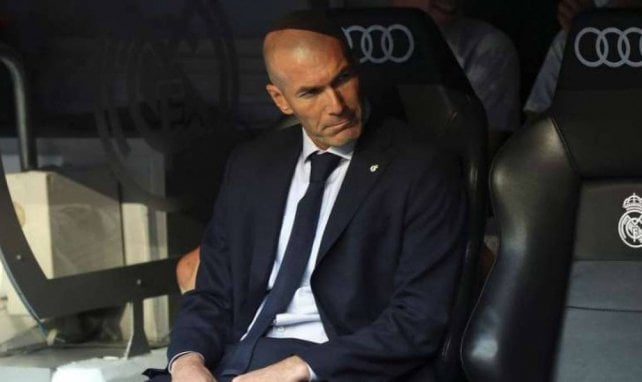
Trois Ligues des Champions en deux ans et demi sur le banc : Zidane est le premier entraîneur à réaliser cet exploit dans la formule moderne de la compétition. Sa méthode tranche avec celle de ses prédécesseurs. Pas de système rigide imposé aux joueurs, mais un style adapté à l’effectif disponible. Une gestion humaine très fine, capable de maintenir la motivation de stars comme Cristiano Ronaldo, Sergio Ramos ou Luka Modrić sur la durée d’une saison.
Sa relation avec le vestiaire est l’une des clés de la réussite. Joueur historique du club, vainqueur de la Coupe d’Europe 2002 comme footballeur, il dispose d’un capital sympathie naturel auprès des cadres. Ses choix tactiques sont parfois critiqués par les commentateurs (rotations limitées, conservatisme apparent), mais ils donnent des résultats. Et dans le football, c’est le seul critère qui compte.
Le 31 mai 2018, cinq jours après la victoire de Kiev, Zidane annonce sa démission par surprise. À 45 ans, au sommet de sa réussite, il préfère prendre du recul et laisser le club entamer un nouveau cycle. Une décision qui surprend, mais qui s’explique par sa volonté de partir au sommet plutôt que de subir une fin de cycle moins glorieuse.
Le noyau dur d’une équipe d’Europe
Au-delà du coach, le noyau dur de l’équipe est la véritable colonne vertébrale du triplé. Sergio Ramos en patron de la défense centrale, Marcelo et Dani Carvajal sur les côtés, le trio milieu Casemiro-Kroos-Modrić qui domine l’entrejeu européen, Cristiano Ronaldo en attaquant tueur, Karim Benzema en pivot avancé, et Gareth Bale en option offensive supplémentaire. Tous ces joueurs disputent les trois finales (à des minutes près) et incarnent la stabilité de l’effectif.
Cette équipe combine l’expérience (Ramos, Modrić, Marcelo) et l’efficacité offensive (Ronaldo, Benzema, Bale). Le profil athlétique est particulièrement adapté aux compétitions à élimination directe : capacité à hausser le niveau dans les matchs aller-retour, gestion des temps faibles, sens du moment décisif. Le Real Madrid de Zidane n’a pas toujours dominé territorialement ses adversaires, mais il a presque toujours trouvé la solution dans les moments importants.
Côté gardien, Keylor Navas est le titulaire des trois finales. Le Costaricien, arrivé en 2014 en provenance du Levante, s’est imposé comme un gardien fiable sur les rendez-vous européens, malgré une concurrence ouverte avec Kiko Casilla puis l’arrivée de Thibaut Courtois en 2018.
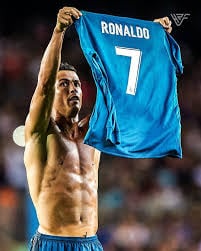
Cristiano Ronaldo, métronome offensif
Sur les trois saisons concernées, Cristiano Ronaldo est le buteur le plus régulier de l’équipe en Ligue des Champions. Il termine meilleur buteur de la compétition lors des trois éditions consécutives (16 buts en 2015-2016, 12 en 2016-2017, 15 en 2017-2018). En finale, il marque à Milan (sur tir au but décisif) et à Cardiff (deux buts dont l’ouverture du score), sans marquer à Kiev mais en participant à la dynamique offensive globale.
Sa contribution dépasse le simple total de buts. Il est le joueur sur lequel l’équipe s’appuie dans les moments importants, particulièrement dans les huitièmes et quarts de finale où il a souvent été décisif (notamment ses triplés mémorables contre l’Atlético Madrid en 2017 ou contre Wolfsburg en 2016). Sa concentration sur les rendez-vous européens fait de lui le facteur X de cette équipe sur la scène continentale.
L’été 2018 marque son départ vers la Juventus de Turin pour environ 100 millions d’euros. Une page se tourne pour le Real Madrid, qui devra trouver un autre profil offensif pour maintenir son niveau de domination européenne. Pour comprendre cette transition et l’arrivée d’autres stars, notre dossier sur les Galactiques du Real Madrid retrace la stratégie de recrutement du club depuis Florentino Pérez.
Pourquoi cet exploit reste unique dans l’ère moderne
Trois Ligues des Champions consécutives, c’est une performance que personne n’a égalée dans la formule moderne de la compétition (depuis 1992-1993). Manchester United (1999, 2008) ou le Bayern Munich (2013, 2020) ont remporté plusieurs trophées, mais jamais trois de suite. Barcelone (2009, 2011, 2015) a dominé son époque, sans jamais réussir le doublé consécutif.
Plusieurs facteurs expliquent cette singularité. La compétition est devenue plus ouverte, avec un nombre croissant d’équipes capables de battre les meilleures sur un match. La gestion physique d’une saison de 60 matchs est devenue extrême, les équipes premium subissant chaque année des blessures lourdes. Et le calendrier lui-même rend toute domination durable très difficile à installer.
Le triplé du Real Madrid 2016-2018 reste donc, à ce jour, l’exploit collectif majeur du football européen contemporain. Une référence qui s’inscrit dans la longue tradition madridista des cinq Coupes d’Europe consécutives entre 1956 et 1960 sous Bernabéu, à mettre en perspective avec notre dossier sur les premières Coupes d’Europe du Real.
Ce qu’il faut retenir
- Le Real Madrid a remporté trois Ligues des Champions consécutives entre 2016 et 2018, un exploit unique dans la formule moderne de la compétition (depuis 1992-1993).
- Milan 2016 : 1-1 contre l’Atlético Madrid après prolongation, victoire 5-3 aux tirs au but, but de Sergio Ramos en première période.
- Cardiff 2017 : 4-1 contre la Juventus, doublé de Cristiano Ronaldo, buts de Casemiro et Asensio.
- Kiev 2018 : 3-1 contre Liverpool, but de Karim Benzema, doublé de Gareth Bale dont un retourné acrobatique légendaire.
- Zinédine Zidane est l’entraîneur des trois finales, arrivé sur le banc en janvier 2016 et démissionnaire fin mai 2018.
- Le noyau dur : Ramos, Modrić, Kroos, Casemiro, Marcelo, Carvajal, Ronaldo, Benzema, Bale, Navas dans la cage.
- Cristiano Ronaldo termine meilleur buteur de la Ligue des Champions lors des trois éditions consécutives.
Pour aller plus loin
Le triplé européen s’inscrit dans une tradition madridista plus longue. Pour explorer d’autres facettes, on vous recommande nos dossiers sur l’histoire complète du Real Madrid, sur les premières Coupes d’Europe qui ont fondé la légende européenne, sur les Galactiques de Florentino Pérez et sur la carrière d’Iker Casillas qui a précédé l’ère Zidane comme capitaine madridista.
Questions fréquentes
Quand le Real Madrid a-t-il gagné 3 Ligues des Champions consécutives ?
Le Real Madrid a remporté trois Ligues des Champions consécutives lors des saisons 2015-2016, 2016-2017 et 2017-2018, sous l’entraîneur Zinédine Zidane. Les trois finales se sont jouées à Milan, Cardiff et Kiev.
Quels étaient les adversaires du Real lors des trois finales ?
L’Atlético Madrid à Milan en 2016 (1-1 puis 5-3 aux tirs au but), la Juventus à Cardiff en 2017 (4-1), et Liverpool à Kiev en 2018 (3-1). Trois adversaires différents et trois scénarios distincts.
Quel rôle Zinédine Zidane a-t-il joué dans ce triplé ?
Zidane est arrivé sur le banc du Real Madrid le 4 janvier 2016 en remplacement de Rafael Benítez. Il a remporté les trois Ligues des Champions consécutives en deux ans et demi, avant d’annoncer sa démission le 31 mai 2018, cinq jours après la victoire de Kiev.
Qui a marqué le retourné acrobatique en finale 2018 ?
C’est Gareth Bale qui a marqué le retourné acrobatique à la 63e minute de la finale de Kiev 2018, sur un centre de Marcelo, après être entré en jeu deux minutes plus tôt à la place de Karim Benzema. Il a inscrit un second but à la 83e minute pour porter le score à 3-1.
Cet exploit a-t-il déjà été égalé ?
Non, à ce jour aucun club n’a remporté trois Ligues des Champions consécutives dans la formule moderne de la compétition (depuis 1992-1993). Le précédent triplé consécutif remontait au Bayern Munich en 1974, 1975 et 1976, sous l’ancienne formule de la Coupe des Clubs Champions Européens.
Prêt à enfiler les couleurs du Real Madrid ?
La collection Real Madrid est complète sur notre boutique : maillot domicile, extérieur, third, version joueur, version supporter. Toutes les déclinaisons des saisons du triplé européen et bien plus encore.