
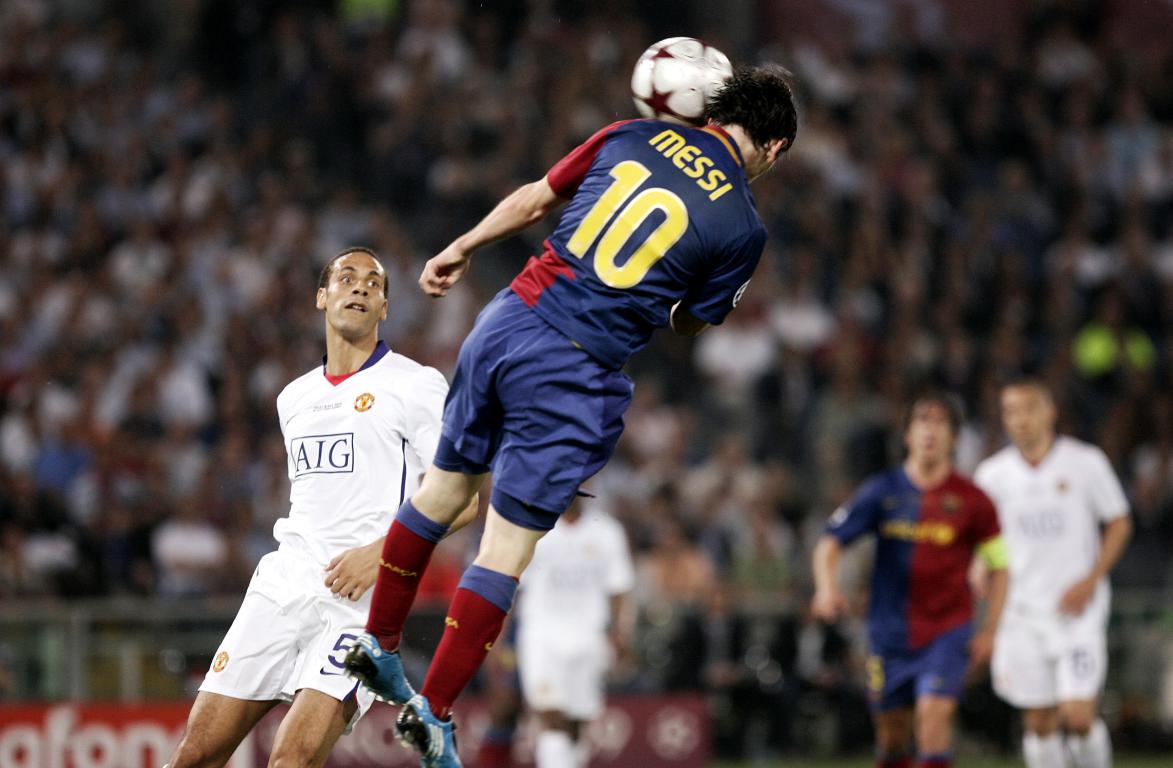
27 mai 2009, stade Olimpico de Rome. Finale de la Ligue des Champions face à Manchester United. Le Barça remporte le match 2-0 grâce à des buts de Samuel Eto’o (10e minute) et Lionel Messi (70e). Le club catalan signe ainsi le premier triplé Liga-Copa-Ligue des Champions de l’histoire du football espagnol. Sur le banc, un homme savoure son premier titre majeur en quatre mois de présence à la tête de l’équipe : Pep Guardiola.
La saison 2008-2009 du FC Barcelone reste l’une des plus exceptionnelles de l’histoire du club et du football moderne. Trois trophées en compétition, complétés par trois autres en année civile (Supercoupe d’Espagne, Supercoupe d’Europe, Mondial des clubs), pour un total de six trophées sur 2009. Cet article retrace cette saison parfaite.
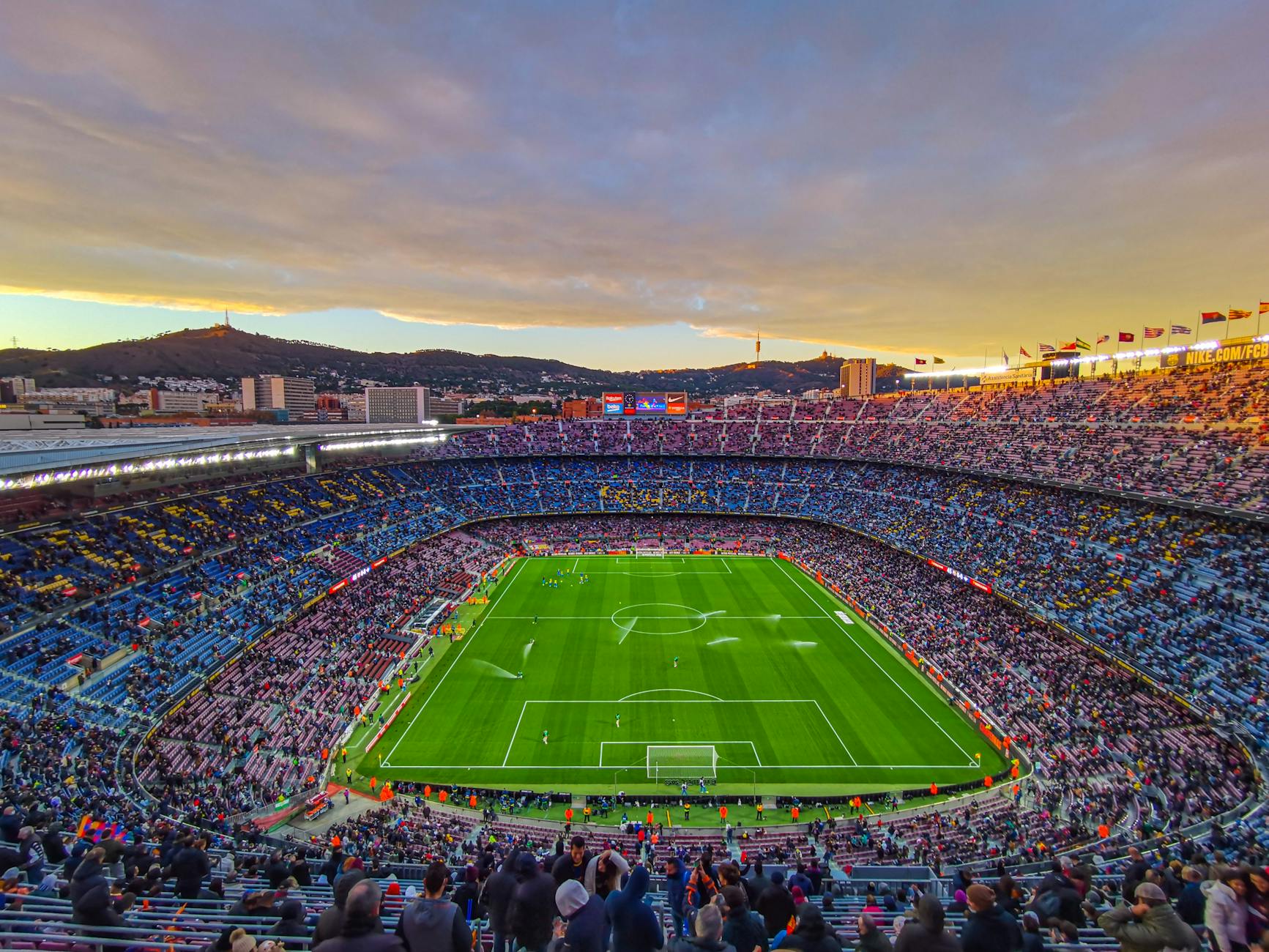
Guardiola arrive sur le banc en juin 2008
À l’été 2008, le FC Barcelone vient de boucler une saison décevante : pas de titre majeur, troisième de Liga loin du Real Madrid, sortie en demi-finale de Ligue des Champions. Le président Joan Laporta décide de tout changer. Frank Rijkaard est démis de ses fonctions, Ronaldinho est vendu au Milan AC, et un parfait outsider est nommé entraîneur principal : Pep Guardiola, qui n’a coaché jusque-là que la réserve du club.
Le pari est risqué. Guardiola, 37 ans, ancien capitaine de la Dream Team, n’a aucune expérience d’entraîneur principal en équipe première. Mais sa connaissance du club, sa vision tactique héritée de Cruyff, et son charisme convaincant le placent en pole position. Pour son parcours complet, voir notre article sur Pep Guardiola entraîneur.
Sa première décision est radicale : se séparer non seulement de Ronaldinho mais aussi de Deco. Le message est clair : le club est en reconstruction, autour d’un noyau plus jeune, plus collectif, et formé en grande partie à La Masia. Pour le contexte de la formation, voir notre article sur La Masia.
L’équipe : noyau La Masia et star Eto’o
L’équipe type 2008-2009 mêle stars confirmées et produits de La Masia. En défense, Carles Puyol et Gerard Piqué (ce dernier de retour de Manchester United à l’été). Au milieu, Sergio Busquets vient d’être promu en équipe première à 19 ans, accompagné de Xavi et Iniesta. Devant, Lionel Messi, Samuel Eto’o et Thierry Henry forment un trio offensif redoutable.
Le gardien est Víctor Valdés, lui aussi formé à La Masia. Daniel Alves, recruté à l’été depuis Séville pour 36 millions d’euros, occupe le couloir droit. Yaya Touré et Seydou Keita complètent le milieu de terrain. La rotation est large mais l’ossature reste stable : sept à huit joueurs disputent l’essentiel des grandes affiches.
La symbiose tactique se construit en quelques semaines. Le tiki-taka, qui prendra son nom plus tard, se met en place : possession permanente, pressing immédiat à la perte, jeu en triangles, mouvement constant des trois attaquants. Pour la dimension tactique, voir notre analyse du duo Xavi-Iniesta.
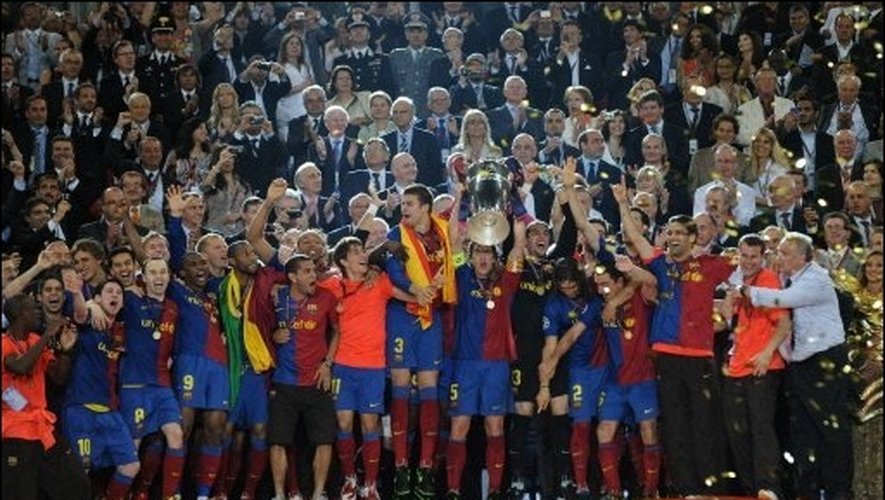
La Liga 2008-2009 dominée à 87 points
La Liga démarre fort. Après une défaite surprise à Numancia lors de la première journée, le Barça enchaîne les victoires. Le Camp Nou retrouve sa magie offensive : 4-0 contre l’Atletico, 6-1 contre Valladolid, 4-1 contre Alavés. Au fil des semaines, l’écart se creuse face au Real Madrid de Juande Ramos puis Manuel Pellegrini.
Le moment fort de la saison de Liga reste le Clásico du 2 mai 2009 au stade Santiago Bernabéu. Le Barça écrase le Real 6-2, score historique dans l’antre du rival. Messi inscrit un doublé, Henry également, et Piqué et Puyol marquent les deux autres buts. Cette victoire scelle pratiquement le titre, repris ensuite formellement quelques journées plus tard.
Le Barça finit la Liga 2008-2009 avec 87 points, 9 d’avance sur le Real Madrid (78 points), 27 victoires, 6 nuls, 5 défaites, 105 buts marqués. C’est le total de buts le plus élevé du club en championnat depuis très longtemps. Pour le contexte madrilène, voir notre article sur l’histoire du Real Madrid.
Chelsea, le but d’Iniesta dans le temps additionnel
En Ligue des Champions, le parcours est plus chaotique. Le Barça écarte Lyon en 8e (1-1, 5-2), puis le Bayern Munich en quart (4-0, 1-1). En demi-finale, le tirage offre Chelsea, finaliste l’année précédente. L’aller à Camp Nou se solde par un nul vierge (0-0). Le retour à Stamford Bridge, le 6 mai 2009, est l’un des matchs les plus contestés de l’histoire moderne du club.
Chelsea ouvre le score par Michael Essien à la 9e minute. Le Barça pousse, l’arbitre norvégien Tom Henning Øvrebø refuse plusieurs penalties très litigieux aux Catalans. Tout semble perdu. À la 93e minute, ultime occasion. Messi décale Andrés Iniesta à l’entrée de la surface. Frappe enroulée du droit, lucarne. 1-1, le Barça se qualifie au goal average extérieur.
Cette qualification arrachée aux conditions miraculeuses ouvre la voie vers la finale de Rome. Iniesta arrachant son maillot devant le public londonien reste l’une des images les plus emblématiques de l’épopée européenne du club. Sans ce but, pas de finale, pas de triplé. Pour la dimension du duo de milieu, voir notre article sur Xavi-Iniesta.
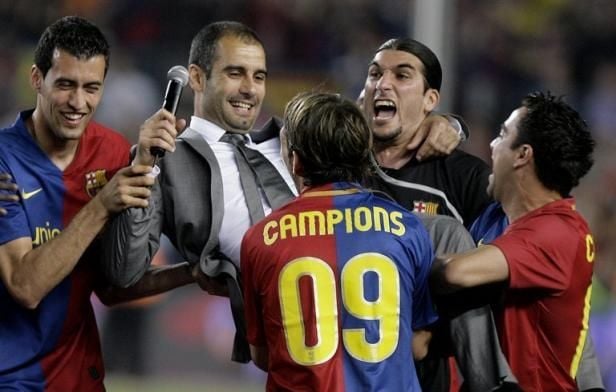
La Copa del Rey, deuxième pierre du triplé
La Copa del Rey, le 13 mai 2009, est disputée à l’Estadi de Mestalla, à Valence. Adversaire : l’Athletic Bilbao. Le Barça l’emporte 4-1, avec des buts de Touré, Messi, Bojan Krkić et Xavi. C’est le premier titre de l’ère Guardiola, et la deuxième pierre du triplé en construction. Quatorze jours plus tard, ce sera la finale de Rome.
Cette victoire en Copa del Rey est obtenue dans un calendrier dense : trois compétitions sur la fin de saison, avec des rotations limitées en défense. Le Barça gère cette charge grâce à la profondeur du groupe et à l’investissement physique des joueurs jeunes comme Busquets ou Bojan, qui jouent leurs premières grandes finales.
L’Athletic, finaliste malheureux, repart sans rien. Mais le match marque un moment de reconnaissance pour le travail tactique de Guardiola, qui parvient à varier son système selon les adversaires sans perdre l’identité de jeu. Cette flexibilité sera l’une des marques de fabrique de l’ère qui s’ouvre.
La finale de Rome, 27 mai 2009
27 mai 2009, stade Olimpico de Rome. Finale de la Ligue des Champions. Adversaire : Manchester United, tenant du titre, avec Cristiano Ronaldo, Wayne Rooney, Ryan Giggs, Carlos Tevez. Côté Barça, défense décimée : Puyol et Alves suspendus, Marquez blessé. Guardiola aligne Touré et Sylvinho en défense centrale, Piqué en latéral. Pari risqué.
Le pari paie immédiatement. À la 10e minute, Eto’o ouvre le score d’une frappe croisée. Le Barça contrôle ensuite le ballon avec un tiki-taka qui désarme totalement les Anglais. À la 70e minute, Xavi décale Messi qui marque de la tête, geste assez rare pour le petit Argentin. 2-0, score final. Le Barça remporte sa troisième Coupe d’Europe.
Le triplé est consacré : Liga, Copa del Rey, Ligue des Champions sur la même saison. C’est le premier de l’histoire du football espagnol, et seulement le troisième de l’histoire du football européen après le Celtic Glasgow 1967 et l’Ajax Amsterdam 1972. Pour le contexte tactique de cette ère, voir notre article sur la Dream Team de Cruyff, dont Guardiola est l’héritier direct.
Le sextuple en année civile 2009
Le triplé s’enrichit ensuite de trois autres trophées en année civile 2009. Supercoupe d’Espagne en août face à l’Athletic Bilbao (5-1 sur les deux matchs). Supercoupe d’Europe en août face au Shakhtar Donetsk (1-0). Et le Mondial des clubs en décembre 2009, à Abu Dhabi, victoire 2-1 face à Estudiantes de La Plata après prolongation.
Six trophées sur l’année civile 2009 : un exploit jamais réalisé auparavant par aucun club européen. Le Real Madrid n’avait jamais réussi un tel sextuple, ni le Bayern Munich, ni Manchester United. Le Barça de Guardiola établit un standard absolu, qui ne sera égalé que par le Bayern de Hansi Flick en 2020.
Cette saison-là est aussi consacrée individuellement : Lionel Messi remporte son premier Ballon d’Or en décembre 2009. La domination collective se traduit en reconnaissance individuelle, et lance un cycle d’enchaînements de Ballons d’Or pour l’Argentin. Pour son parcours complet, voir notre article sur Messi au Barça.
Ce qu’il faut retenir
- Pep Guardiola arrive sur le banc du FC Barcelone en juin 2008, à 37 ans, sans expérience en équipe première.
- Le Barça remporte la Liga 2008-2009 avec 87 points, 9 d’avance sur le Real Madrid, et 105 buts marqués.
- Le Clásico du 2 mai 2009 au Bernabéu se solde par une victoire 6-2, score historique dans l’antre madrilène.
- Le but d’Iniesta à Stamford Bridge le 6 mai 2009 (93e minute) sauve le Barça en demi-finale de Ligue des Champions.
- La Copa del Rey est remportée le 13 mai 2009 face à l’Athletic Bilbao (4-1) à Mestalla.
- La finale de Rome du 27 mai 2009 voit le Barça l’emporter 2-0 face à Manchester United (Eto’o, Messi).
- L’année civile 2009 totalise six trophées : Liga, Copa, Ligue des Champions, Supercoupes d’Espagne et d’Europe, Mondial des clubs.
Pour aller plus loin
Le triplé de 2009 est inséparable de toute la décennie dorée. Pour creuser, on vous recommande nos papiers sur Pep Guardiola entraîneur, sur Messi et son premier Ballon d’Or, sur le duo Xavi-Iniesta au cœur du tiki-taka, et sur La Masia, source de ce groupe collectif.
Questions fréquentes
Quels trophées le Barça a-t-il gagnés en 2008-2009 ?
Le FC Barcelone a remporté trois trophées sur la saison 2008-2009 : la Liga (avec 87 points), la Copa del Rey (4-1 face à l’Athletic Bilbao le 13 mai 2009) et la Ligue des Champions (2-0 face à Manchester United le 27 mai 2009 à Rome). C’est le premier triplé de l’histoire du football espagnol.
Qui a marqué les buts de la finale de Rome ?
Le 27 mai 2009 à Rome, le Barça l’a emporté 2-0 face à Manchester United. Samuel Eto’o a ouvert le score à la 10e minute d’une frappe croisée. Lionel Messi a doublé la mise à la 70e minute d’une tête, geste rare pour lui. Le score final a confirmé le triplé historique.
Combien de trophées le Barça a-t-il gagnés en 2009 ?
En année civile 2009, le FC Barcelone a remporté six trophées : Liga, Copa del Rey, Ligue des Champions (les trois du triplé) plus Supercoupe d’Espagne, Supercoupe d’Europe et Mondial des clubs. C’est le premier sextuple de l’histoire du football européen, jamais égalé jusqu’au Bayern Munich en 2020.
Quel rôle a joué Pep Guardiola dans le triplé ?
Pep Guardiola venait d’être nommé entraîneur principal en juin 2008, sans expérience en équipe première. Il a pourtant immédiatement imposé sa philosophie tactique (tiki-taka, possession permanente, pressing immédiat) et bâti une équipe autour des produits de La Masia. Le triplé de 2009 reste sa première et plus grande réussite de l’année.
Quel était le score du Clásico de mai 2009 ?
Le 2 mai 2009, le FC Barcelone a écrasé le Real Madrid 6-2 au stade Santiago Bernabéu. Doublé de Messi, doublé de Henry, buts de Piqué et Puyol. Cette victoire historique dans l’antre madrilène a pratiquement scellé le titre de Liga, repris ensuite officiellement quelques journées plus tard.
Affichez les couleurs du triplé
La collection FC Barcelone est en ligne sur Maxi Kits : maillot domicile, extérieur, third, version joueur, version supporter, et les maillots rétro qui rappellent les saisons triomphales du Barça moderne.