
Depuis sa toute première saison, le Real Madrid joue en blanc. Pas de bleu, pas de rouge, pas de jaune. Du blanc immaculé, avec un blason couronné brodé sur la poitrine. Cette couleur fait aujourd’hui partie de l’imaginaire mondial du football, au même titre que le rouge de Manchester United ou le grenat-bleu du FC Barcelone.
Mais pourquoi le blanc, et pas une autre couleur ? La réponse remonte à 1902 et passe par un club anglais oublié, des étudiants madrilènes idéalistes, et une admiration pour ce qu’on appelait alors l’élégance britannique. Cet article retrace l’origine du maillot blanc du Real Madrid, son évolution sur 120 ans, et la place qu’il occupe aujourd’hui dans la culture football.
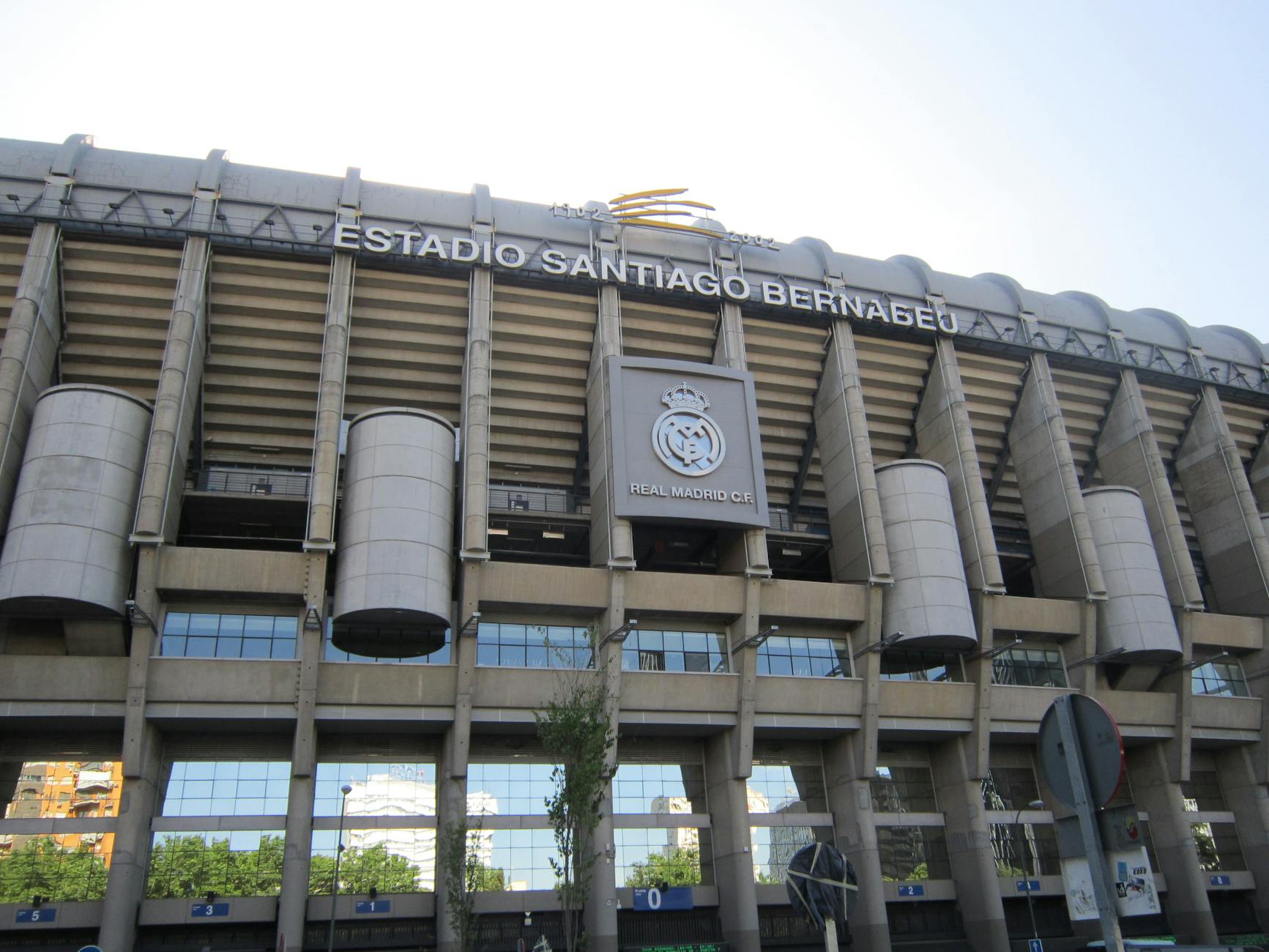
L’origine du maillot blanc en 1902
Le 6 mars 1902, quand Julián Palacios dépose les statuts du Madrid Football Club, l’une des premières décisions concrètes du jeune comité directeur concerne les couleurs du club. Pas évident dans une époque où le football espagnol cherche encore son identité visuelle, et où chaque club doit se choisir une teinte qui le distinguera des autres équipes locales.
Les frères Padrós, fondateurs du club, optent pour le blanc. Pourquoi cette couleur ? Une admiration partagée pour le football anglais, et plus précisément pour un club londonien qui jouissait à l’époque d’un prestige immense en Europe : le Corinthian Football Club. Le choix est délibéré, presque idéologique. Adopter le blanc des Corinthians, c’est se placer dans le sillage d’une équipe symbole d’élégance et de fair-play.
Le blanc présente aussi un avantage pratique. Il est facile à produire, peu coûteux à teindre (en fait, pas teinté du tout), et il ne se confond avec aucun autre club madrilène ou espagnol de l’époque. Une couleur neuve dans un paysage football encore vierge.
Qui était le Corinthian FC, club anglais qui a inspiré le Real
Le Corinthian Football Club est fondé à Londres le 28 septembre 1882, soit vingt ans avant le Real Madrid. Club strictement amateur, il rassemble des étudiants des grandes universités britanniques (Oxford, Cambridge) et incarne tout ce que le football victorien a de plus distingué : refus catégorique du professionnalisme, primauté de l’esprit du jeu sur la victoire, et un fair-play poussé à l’extrême.
Une anecdote raconte que les joueurs du Corinthian, lorsqu’on leur sifflait un penalty en leur faveur, le tiraient volontairement à côté ou laissaient le gardien adverse l’arrêter. Le simple fait qu’on leur attribue un avantage par faute leur paraissait contraire à l’esprit du jeu. Cette philosophie, surnommée plus tard le “Corinthian Spirit”, a marqué les fondateurs du Real Madrid au point d’en faire un modèle visuel et moral.
Le Corinthian FC a été dissous en 1939, mais son influence dépasse largement sa propre histoire. En plus du Real Madrid, le club brésilien des Corinthians de São Paulo doit également son nom à une tournée que l’équipe anglaise effectua au Brésil au début du XXe siècle. Deux des plus grands clubs du monde portent ainsi l’empreinte d’une équipe amateur disparue depuis bientôt un siècle.
Le short noir : compagnon historique du blanc
Le maillot blanc du Real Madrid s’accompagne traditionnellement d’un short noir et de chaussettes blanches. Ce choix chromatique, qui fait aujourd’hui partie intégrante de l’identité visuelle du club, n’a pas toujours été immuable. Le club a longtemps alterné entre le short blanc intégral (associé à des chaussettes elles aussi blanches) et le short noir contrastant avec le haut.
Au cours du XXe siècle, le short noir s’est imposé comme la version la plus identifiable de la tenue domicile. Cette combinaison, parfois appelée “blanc-noir-blanc”, offre un contraste visuel qui ressort particulièrement bien sur les écrans télévisés et dans les stades. Une silhouette nette, immédiatement reconnaissable, qu’aucun autre club européen majeur ne partage à l’identique.
À noter que la version moderne du maillot (depuis l’arrivée d’Adidas en équipementier) propose chaque saison plusieurs déclinaisons : domicile en blanc intégral, version short noir pour certaines compétitions, et bien sûr les maillots extérieur et third dans des coloris très différents.
Quand le Real Madrid n’a pas joué en blanc
Le maillot domicile du Real Madrid n’a jamais quitté le blanc depuis 1902. C’est l’un des rares clubs majeurs au monde à pouvoir revendiquer une telle continuité chromatique sur plus d’un siècle. Aucune saison, aucune crise, aucun changement d’équipementier n’a remis en cause ce choix fondateur.
Les exceptions concernent uniquement les maillots extérieurs et third, comme dans tous les clubs de football. Le Real a porté du violet, du noir, du gris, du bleu marine, du jaune fluo, du rose pâle, du turquoise. Certaines de ces tenues sont devenues iconiques par leur audace, comme la tenue noire de la finale de Ligue des Champions 2006-07 ou les maillots third en violet vintage des années 90.
Mais à domicile, dans son stade, devant son public, le Real Madrid joue en blanc. Cette règle n’a souffert aucune exception en 120 ans. Une cohérence chromatique unique dans le football mondial, que seuls quelques rares clubs partagent.
L’évolution du maillot à travers les décennies
Si la couleur n’a jamais bougé, le design du maillot a connu plusieurs ères marquantes. Dans les années 1950, à l’apogée de Di Stéfano, c’est un polo simple à boutons, sans sponsor, avec le blason brodé. Une coupe ample, un coton lourd, qui devait peser plusieurs kilos une fois trempé de sueur.
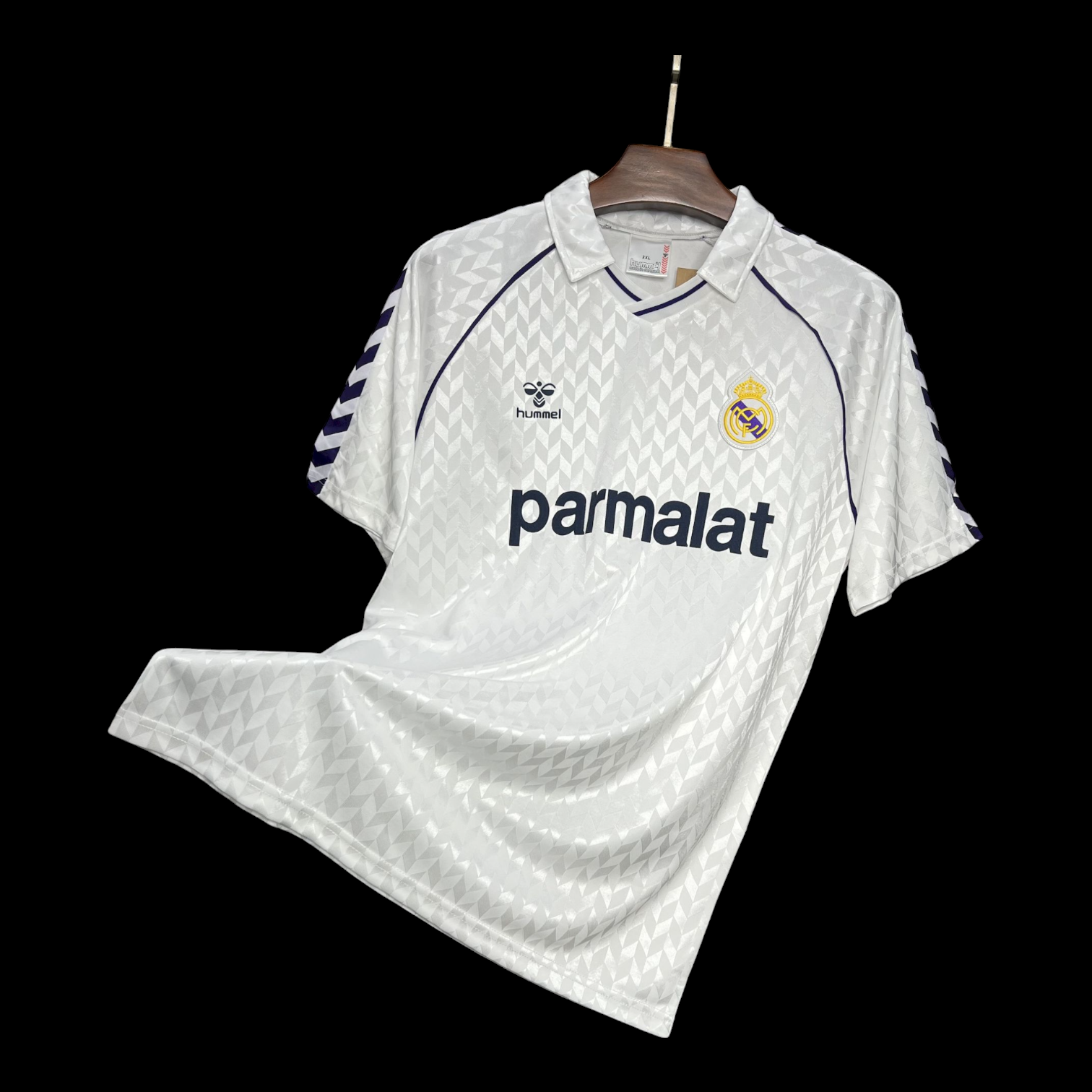
Les années 1980 marquent un tournant industriel : Hummel devient équipementier officiel et apporte un design plus marqué, avec ses fameuses chevrons sur les côtés du maillot. C’est l’époque de la Quinta del Buitre, et le maillot Hummel reste pour beaucoup un symbole de cette génération formée au club.
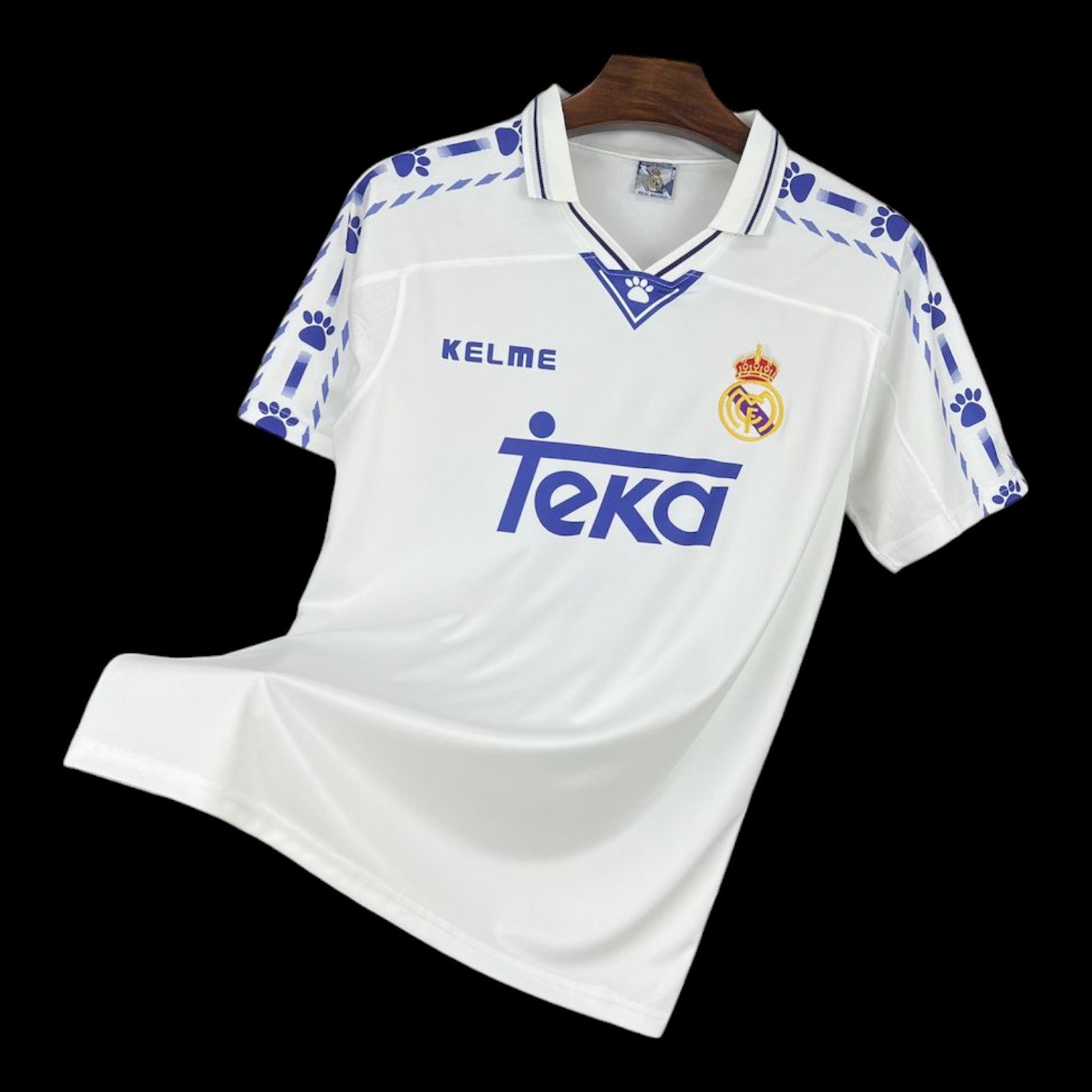
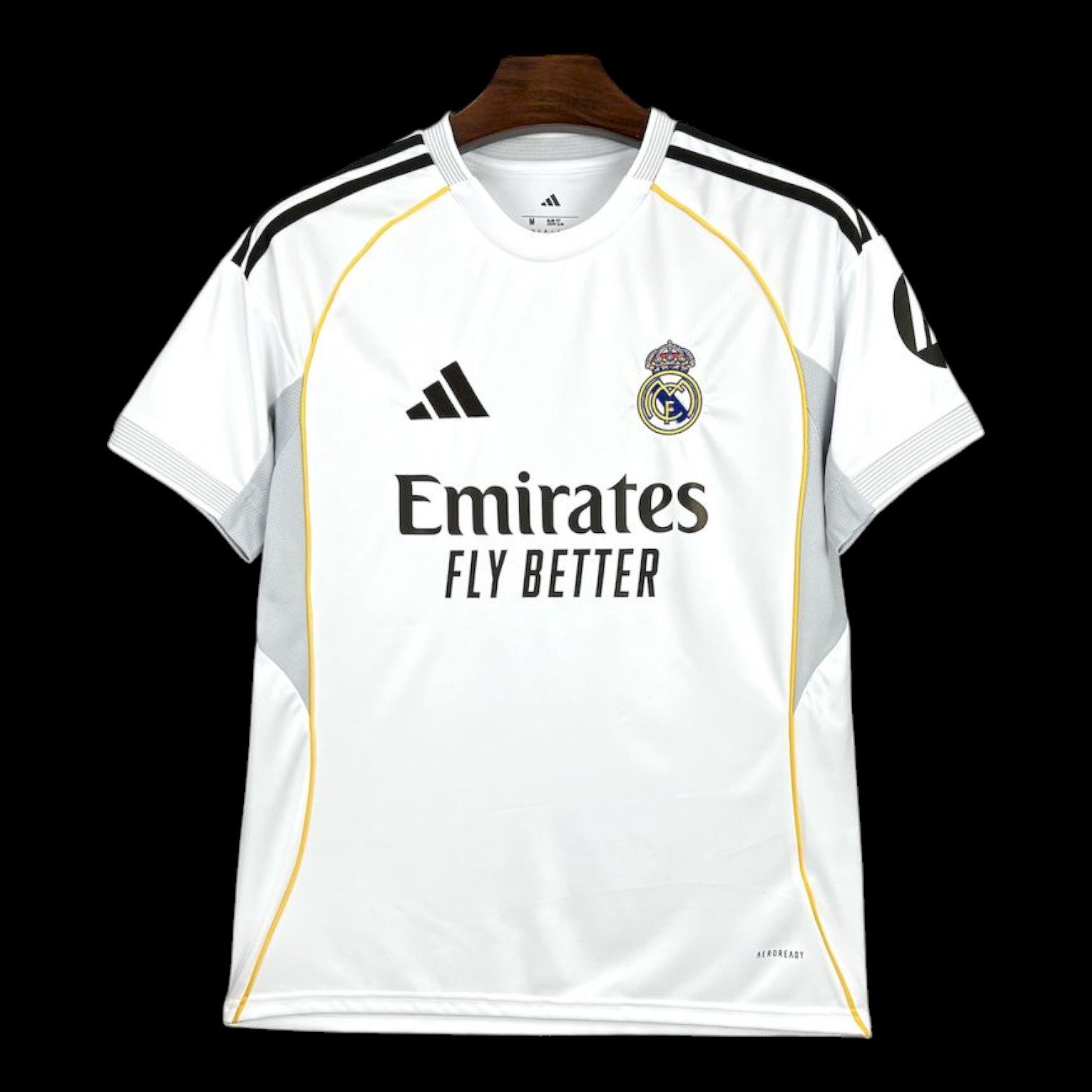
L’arrivée d’Adidas comme équipementier à la fin des années 1990 marque une nouvelle ère. La marque allemande va moderniser la coupe (plus ajustée, plus technique), introduire des tissus respirants, et installer durablement le maillot du Real Madrid dans le top 3 mondial des ventes annuelles. Adidas est encore aujourd’hui l’équipementier officiel du club, ce qui en fait l’une des plus longues collaborations marque-club du football européen.
Le maillot le plus vendu au monde
Le maillot du Real Madrid est aujourd’hui considéré comme le plus vendu au monde, devant ceux du FC Barcelone, de Manchester United et du PSG. Cette suprématie s’explique par plusieurs facteurs cumulés : l’image internationale du club, la présence régulière de superstars sur le terrain (Cristiano Ronaldo, Modrić, Kroos, puis Bellingham et Mbappé), et la simplicité visuelle d’un blanc qui se vend partout, dans toutes les cultures, sans connotation politique ou régionale.
Chaque arrivée d’un nouveau Galactique provoque un pic de ventes. L’arrivée de Kylian Mbappé en 2024 a généré l’une des plus fortes vagues de ventes de l’histoire du club, avec un maillot floqué “Mbappé 9” qui s’est arraché en quelques jours dans les boutiques officielles et en ligne. Le blanc reste une toile vierge sur laquelle chaque génération de fans projette son joueur favori.
Le blanc dans l’imaginaire collectif
Au-delà du sport, le maillot blanc du Real Madrid est devenu un objet culturel à part entière. Il apparaît dans des films, dans des séries, dans des publicités, et symbolise pour beaucoup une certaine idée de l’excellence sportive. Le blanc immaculé du Real est associé aux nuits européennes du Bernabéu, aux remontées impossibles, à la “remontada” inversée de 2017 contre le PSG, ou encore au triplé européen de Zinédine Zidane (2016-2018).
Pour les supporters madridistes, porter le maillot blanc, c’est s’inscrire dans une lignée. Ce n’est pas juste un vêtement de sport, c’est un marqueur d’appartenance à un club qui a écrit une grande partie de l’histoire du football européen. Pour les fans étrangers, c’est souvent le premier maillot acheté dès qu’on commence à s’intéresser sérieusement au sport.
Pour aller plus loin sur la place du club dans le football mondial, on a écrit un papier complet sur l’histoire complète du Real Madrid de 1902 à aujourd’hui.
Ce qu’il faut retenir
- Le Real Madrid joue en blanc depuis sa fondation le 6 mars 1902, choix délibéré des frères Padrós.
- L’inspiration vient du Corinthian Football Club, club amateur anglais fondé en 1882, symbole d’élégance et de fair-play.
- Le maillot blanc est traditionnellement associé à un short noir et des chaussettes blanches, silhouette unique dans le football mondial.
- En 120 ans, aucun maillot domicile du Real n’a été d’une autre couleur que le blanc.
- Hummel a été équipementier dans les années 80, suivi par Adidas depuis la fin des années 90.
- Le maillot du Real Madrid est aujourd’hui le plus vendu au monde, devant Manchester United et le FC Barcelone.
- Le blanc merengue est devenu un objet culturel international, symbole de l’excellence sportive européenne.
Pour aller plus loin
Le maillot blanc n’est qu’un chapitre dans la longue histoire du Real Madrid. Pour explorer le club sous d’autres angles, on vous recommande nos papiers sur l’histoire complète du Real Madrid, sur Santiago Bernabéu, le bâtisseur du club moderne, et sur l’évolution complète du maillot du Real Madrid à travers les décennies. Pour les amateurs de tenues d’époque, notre dossier sur l’ère des Galactiques revient sur les designs marquants des années 2000.
Questions fréquentes
Pourquoi le Real Madrid joue-t-il en blanc ?
Le Real Madrid a adopté le blanc dès sa fondation en 1902, en hommage au Corinthian Football Club, club amateur anglais qui jouait en blanc et incarnait à l’époque une certaine idée de l’élégance sportive. Ce choix n’a jamais changé en plus de 120 ans d’existence.
Depuis quand le Real Madrid joue en blanc ?
Depuis sa toute première saison, en 1902. Le club a été fondé le 6 mars 1902 sous le nom de Madrid Football Club, et le blanc a été adopté immédiatement comme couleur officielle. Aucune saison n’a vu le club porter une autre couleur en domicile.
Qui a choisi la couleur blanche pour le Real Madrid ?
Les frères Juan et Carlos Padrós, fondateurs du club et premiers dirigeants, ont fait ce choix en 1902. Inspirés par le Corinthian FC anglais qu’ils admiraient, ils ont opté pour le blanc comme symbole d’élégance et de distinction.
Le Real Madrid a-t-il déjà porté un autre maillot que le blanc à domicile ?
Non, jamais. Depuis 1902, le maillot domicile du Real Madrid est resté blanc sans interruption. Les seules variations concernent les maillots extérieurs et third, qui ont pris des couleurs très différentes selon les saisons (violet, noir, gris, bleu marine, jaune fluo, etc.).
Pourquoi le Real Madrid surnomme-t-il son maillot “merengue” ?
Le surnom “merengue” vient de la pâtisserie française du même nom, à cause de la couleur blanche immaculée du maillot. Les supporters madridistes sont eux aussi appelés “merengues” et le club est régulièrement désigné par ce terme dans la presse espagnole et internationale.
Le maillot blanc du Real Madrid vous attend
Toutes les versions sont disponibles dans notre boutique : domicile actuel, extérieur, third, version joueur, version supporter, ainsi que les maillots rétro des grandes saisons du club.