
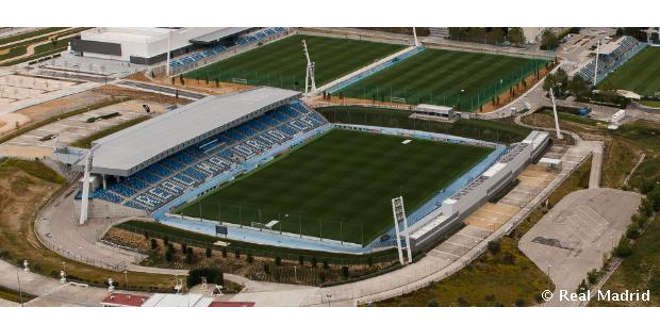
Au nord-est de Madrid, à Valdebebas, s’étend un complexe sportif de plusieurs dizaines d’hectares où s’entraînent à la fois l’équipe première du Real Madrid et les centaines de jeunes joueurs du centre de formation. C’est ici que les futurs Raúl, Iker Casillas, Dani Carvajal ou Nacho ont appris à jouer pour le club blanc, dans une académie surnommée affectueusement La Fabrica par les supporters.
Cet article explore l’histoire et le fonctionnement de La Fabrica Real Madrid, depuis ses racines historiques jusqu’à la cité Real Madrid contemporaine. On y croise les grands noms passés par le centre de formation, on comprend comment l’académie s’inscrit dans la stratégie du club, et on prend la mesure de son rôle parfois sous-estimé à côté du recrutement médiatisé des stars internationales.
Aux origines : la formation au Real Madrid avant Valdebebas
Le Real Madrid s’est toujours appuyé sur la formation de jeunes joueurs, dès ses premières décennies d’existence. Pendant longtemps, les équipes de jeunes s’entraînaient sur les terrains annexes du stade Bernabéu et des installations modestes acquises au fil des saisons. L’équipe réserve, le Castilla, a vu défiler des dizaines de futurs internationaux espagnols depuis sa création.
Le terme La Fabrica, qui signifie l’usine en espagnol, est employé par les supporters madrilènes pour désigner ce centre de production de talents. L’expression renvoie à l’idée d’une mécanique de formation continue, capable de produire chaque année des joueurs prêts à jouer en équipe première ou à être vendus dans d’autres grands clubs.
Avant le déménagement à Valdebebas, l’académie historique se trouvait à la Ciudad Deportiva (cité sportive) du Real Madrid, dans le quartier de Cuzco. Ce site historique a été cédé à la municipalité dans les années 2000, et les fonds dégagés ont financé en partie le développement du nouveau complexe d’entraînement, plus moderne et plus vaste.
La cité Real Madrid à Valdebebas : un complexe hors normes
La nouvelle Ciudad Real Madrid se situe à Valdebebas, dans la périphérie nord-est de Madrid, à proximité immédiate de l’aéroport Barajas. Le complexe a été inauguré en 2005 et abrite aujourd’hui l’ensemble des activités sportives du club : équipe première, sections féminines, équipes de jeunes, sièges administratifs et services médicaux.
Au cœur du complexe se trouve le stade Alfredo Di Stéfano, inauguré le 9 mai 2006 par un match symbolique entre le Real Madrid et le Stade de Reims (6-1, en référence à la finale de la première Coupe d’Europe en 1956). Cette enceinte d’environ 6 000 places sert de stade au Castilla, l’équipe réserve, et accueille parfois des matchs de l’équipe première en cas de rénovation du Bernabéu.
Le complexe compte plusieurs terrains d’entraînement (en herbe naturelle ou synthétique), des installations médicales de pointe (cryothérapie, balnéo, suivi nutritionnel), des salles de musculation, des espaces vidéo pour l’analyse tactique, et des hébergements pour les jeunes pensionnaires venus d’autres villes ou d’autres pays. Un dispositif complet pour accompagner les joueurs de leurs premières années jusqu’à leurs débuts professionnels.
La structure de l’académie : du minijuvenil au Castilla
L’académie suit une progression par catégorie d’âge, du plus jeune au plus avancé. Les premières équipes accueillent les joueurs vers 9-10 ans, dans les sections benjamín. Suivent les sections alevín, infantil, cadete et juvenil, jusqu’à l’âge senior. Chaque catégorie compte plusieurs équipes (A, B, C) selon le niveau, et les meilleurs éléments montent progressivement dans les groupes supérieurs.
Au sommet de la structure se trouve le Castilla, l’équipe réserve professionnelle qui évolue actuellement en Primera Federación, le troisième échelon du football espagnol. Le Castilla sert de sas final entre la formation et l’équipe première : les joueurs y affrontent des adversaires adultes dans un championnat compétitif, ce qui les prépare aux exigences du football professionnel.
Les entraîneurs du Castilla sont eux-mêmes souvent des anciens du club, dans une logique de transmission. Plusieurs grands joueurs du Real Madrid sont passés par le banc du Castilla avant d’avoir leur chance ailleurs : Raúl en personne a entraîné l’équipe réserve dans les années 2020. Cette continuité institutionnelle nourrit la culture maison de l’académie.
Les premières grandes éclosions : Raúl, Casillas, Guti
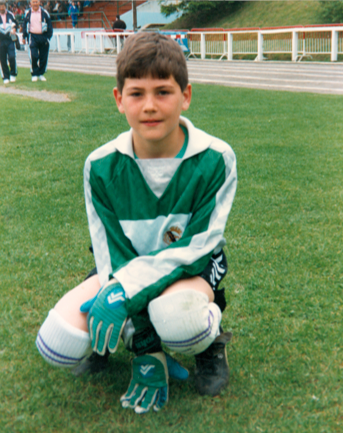
Dans les années 1990, La Fabrica connaît un cycle exceptionnel avec l’arrivée en équipe première de joueurs qui deviendront tous des légendes : Raúl González (recruté à 14 ans après son passage par l’Atlético Madrid, débuts professionnels en 1994), Iker Casillas (entré à La Fabrica très jeune, débuts professionnels en 1999), José María Gutiérrez dit Guti (formé entièrement au club, débuts en 1995). Trois piliers générationnels du Real Madrid moderne.
Raúl deviendra capitaine de l’équipe et plus grand buteur de l’histoire du club avant l’arrivée de Cristiano Ronaldo. Casillas portera le brassard également, gagnera trois Ligues des Champions et soulèvera la Coupe du Monde 2010 avec l’Espagne. Guti restera vingt ans au Real, fournissant un nombre impressionnant de passes décisives et incarnant une élégance technique typiquement formée maison.
Cette génération a marqué les esprits par sa fidélité au club et sa capacité à porter le brassard pendant de longues années. Elle a aussi prouvé qu’à côté des stars étrangères recrutées par les présidents successifs, le Real Madrid pouvait s’appuyer sur des piliers formés à la maison pour structurer son équipe sur la durée.
Carvajal, Nacho, Lucas Vázquez : les piliers actuels
Dans les années 2010, La Fabrica continue de produire régulièrement des joueurs intégrés à l’équipe première. Dani Carvajal, formé au club avant d’être prêté un an au Bayer Leverkusen, est promu définitivement en 2013 et devient le latéral droit titulaire pendant plus d’une décennie, gagnant cinq Ligues des Champions en blanc. Nacho Fernández, défenseur polyvalent, suit un parcours comparable et finit par soulever la Coupe d’Europe en tant que capitaine.
Lucas Vázquez, ailier formé au club et passé par un prêt en Liga avant son intégration définitive, complète ce trio de fidèles. Tous ont en commun d’avoir grandi à Valdebebas, d’incarner la culture maison et d’avoir joué un rôle décisif dans plusieurs titres européens du Real Madrid sous l’ère Ancelotti et Zidane.
Le rôle de ces joueurs est souvent sous-estimé dans la couverture médiatique, focalisée sur les grandes stars étrangères. Pourtant, leur fiabilité dans les grands matchs, leur compréhension des codes du club et leur capacité à transmettre la culture aux jeunes recrues sont essentielles à l’équilibre durable de l’équipe.
La nouvelle génération sortie de Valdebebas
La Fabrica continue de produire des joueurs qui rejoignent ensuite l’élite européenne. Marcos Llorente, formé au club, a été vendu à l’Atlético Madrid où il s’est révélé au plus haut niveau. Achraf Hakimi, autre produit de Valdebebas, est devenu une star internationale au PSG après un passage par Dortmund et l’Inter Milan. Sergio Reguilón, Fran García, Álvaro Morata et Jesé Rodríguez ont tous quitté le club après y avoir effectué une partie de leur formation.
Plus récemment, des jeunes comme Arda Güler (recruté à l’extérieur mais intégré à l’écosystème Valdebebas) ou Endrick (idem) bénéficient des installations et de l’encadrement de La Fabrica pour s’adapter à la culture du club. La frontière entre purs produits de La Fabrica et jeunes recrues acculturées au club est devenue plus poreuse, mais l’esprit de formation reste central.
L’académie continue d’accueillir des centaines de jeunes joueurs chaque saison, dont une partie viendra des sections de jeunes traditionnelles et une autre du marché international des très jeunes talents. Le Real Madrid s’efforce de combiner les deux logiques pour rester compétitif sur la durée.
La place de La Fabrica dans la stratégie du club
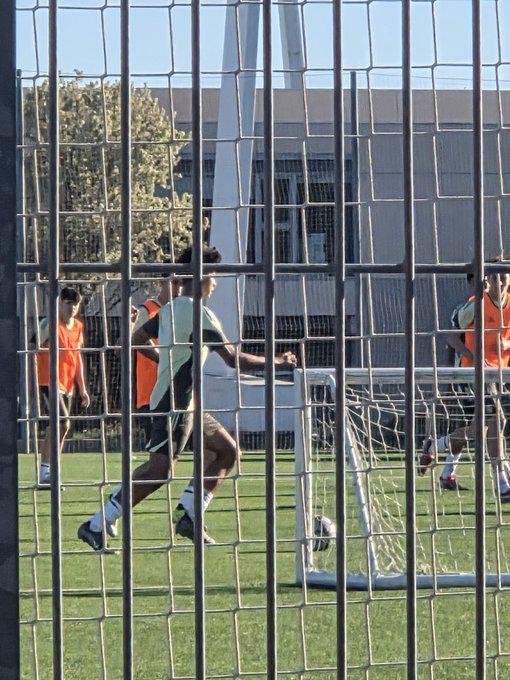
Officiellement, le Real Madrid affiche son attachement à la formation comme l’un des piliers de son projet. Dans les faits, La Fabrica joue plusieurs rôles complémentaires : produire des joueurs prêts à intégrer l’équipe première (les Carvajal, Nacho, Lucas Vázquez), former des joueurs revendables sur le marché des transferts (les Llorente, Hakimi, Reguilón, dont les ventes financent le club), et acculturer les jeunes recrues internationales aux codes maison.
Cette stratégie diffère parfois de l’image médiatique du Real, perçu comme un club de stars internationales achetées à grands frais. La réalité est plus équilibrée : sur les compositions des dernières finales européennes, on trouve toujours plusieurs joueurs formés à La Fabrica aux côtés des vedettes recrutées sur le marché. Cette mixité fait partie de l’ADN du club moderne.
Pour comprendre la généalogie complète de cette tradition, on a écrit plusieurs papiers complémentaires sur le sujet : un sur la Quinta del Buitre, première grande génération entièrement formée maison dans les années 80, un sur Santiago Bernabéu qui a structuré le projet du club, et un sur Florentino Pérez qui pilote le modèle hybride contemporain.
Ce qu’il faut retenir
- La Fabrica est le surnom donné par les supporters au centre de formation du Real Madrid, abrité à la Ciudad Real Madrid à Valdebebas.
- Le complexe a été inauguré en 2005 dans la périphérie nord-est de Madrid, près de l’aéroport Barajas.
- Le stade Alfredo Di Stéfano, inauguré le 9 mai 2006, sert d’enceinte au Castilla, l’équipe réserve professionnelle.
- Le Castilla évolue actuellement en Primera Federación, troisième échelon du football espagnol, et sert de sas vers l’équipe première.
- Grandes légendes formées à La Fabrica dans les années 1990 : Raúl, Iker Casillas, Guti.
- Piliers contemporains issus de Valdebebas : Dani Carvajal, Nacho Fernández, Lucas Vázquez, capitaines de plusieurs Ligues des Champions.
- L’académie joue trois rôles : alimenter l’équipe première, fournir des joueurs revendables, acculturer les jeunes recrues internationales.
Pour aller plus loin
La Fabrica s’inscrit dans la longue tradition formatrice du Real Madrid. Pour explorer les générations majeures qui en sont issues, on vous recommande nos papiers sur la Quinta del Buitre, première grande promotion entièrement maison, sur l’histoire complète du Real Madrid depuis 1902, sur Santiago Bernabéu qui a structuré le projet du club, et sur Florentino Pérez qui pilote la stratégie contemporaine.
Questions fréquentes
Qu’est-ce que La Fabrica du Real Madrid ?
La Fabrica est le surnom donné au centre de formation du Real Madrid, basé à la Ciudad Real Madrid à Valdebebas, dans la périphérie nord-est de la capitale espagnole. L’académie regroupe plusieurs centaines de jeunes joueurs répartis par catégorie d’âge, du benjamín au juvenil, jusqu’à l’équipe réserve appelée Castilla.
Où se trouve la cité du Real Madrid ?
Le complexe d’entraînement, appelé Ciudad Real Madrid, est situé à Valdebebas, dans la périphérie nord-est de Madrid, à proximité immédiate de l’aéroport Madrid-Barajas. Inauguré en 2005, il abrite l’équipe première, l’académie de formation, l’équipe féminine et les services administratifs et médicaux du club.
Quels grands joueurs sont sortis de La Fabrica ?
Plusieurs légendes : Raúl González (capitaine et plus grand buteur du club avant Cristiano Ronaldo), Iker Casillas (gardien capitaine, champion du monde 2010), Guti (milieu créatif). Plus récemment : Dani Carvajal, Nacho Fernández, Lucas Vázquez, multiples vainqueurs de la Ligue des Champions. Et des joueurs vendus comme Marcos Llorente ou Achraf Hakimi.
Qu’est-ce que le Castilla ?
Le Real Madrid Castilla est l’équipe réserve professionnelle du club. Elle joue ses matchs au stade Alfredo Di Stéfano, inauguré le 9 mai 2006 dans la cité Real Madrid. Elle évolue actuellement en Primera Federación, troisième échelon du football espagnol, et sert de dernier sas avant l’équipe première.
Comment intégrer La Fabrica du Real Madrid ?
L’académie recrute principalement par détection à travers l’Espagne et de plus en plus à l’international, dès l’âge de 9-10 ans pour les sections benjamín. Le club organise des essais ponctuels et suit les joueurs prometteurs des autres centres de formation. L’intégration nécessite ensuite plusieurs années de progression à travers les différentes catégories d’âge.
Affichez les couleurs des légendes formées à La Fabrica
La collection Real Madrid est en boutique : maillots domicile, extérieur, third, version joueur, version supporter, et maillots rétro qui rappellent les grandes saisons portées par les jeunes du centre de formation.